

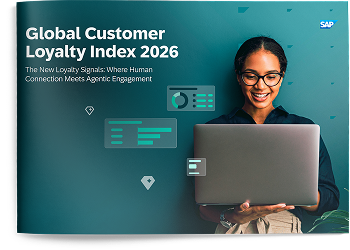

SAP’s 2026 Customer Loyalty Index reveals Gen Z is embracing AI-powered shopping the most of any other generation, yet, globally, 45% have switched from a brand they were once loyal to due to their use of artificial intelligence.
Indianapolis – September 16, 2026 – New research from SAP Engagement Cloud reveals Gen Z is leading the adoption of AI-powered shopping, but the younger generation is also most likely to walk away from brands that fail to meet expectations around how AI is used.
According to SAP’s 2026 Customer Loyalty Index, AI is rapidly becoming part of the shopping journey. Nearly one-third (32%) of U.S. consumers regularly rely on AI tools or assistants when deciding what to buy, while 34% have purchased products recommended by an AI assistant. A further 32% would be comfortable allowing an AI assistant to make purchases on their behalf.
The findings suggest Gen Z is increasingly comfortable giving AI a significant role in what they discover, choose and buy. Globally, 47% of Gen Z consumers have purchased products recommended by AI and 44% would trust an AI assistant to make a purchase on their behalf. Yet 45% say they have switched brands because of its use of AI.
The research also points to a broader shift in consumer influence. More than two fifths (44%) of US shoppers say they prefer recommendations from AI over advice from friends and family, highlighting AI’s growing role in shaping purchasing decisions.
For brands, the findings suggest that greater AI adoption does not automatically translate into greater customer loyalty. While AI has the potential to strengthen relationships, Gen Z consumers expect brands to use the technology responsibly and transparently.
Among global Gen Z consumers, 16% say they are more loyal to brands that use AI to improve the shopping experience, while 26% feel more loyal to brands that market to them in a personalized way.
However, enthusiasm for AI comes with clear expectations. Nearly two in five (39%) Gen Z consumers want access to human support if something goes wrong, 36% want assurances around data privacy and security, and 30% want transparency about how AI-driven decisions are made. More than one in five (22%) say undisclosed or non-transparent use of AI would cause them to lose loyalty to a brand altogether.
“Gen Z isn’t rejecting AI. They’re embracing it faster than any other generation and increasingly allowing it to influence what they buy,” said Sara Richter, CMO, SAP Engagement Cloud. “The surprise is that greater adoption does not translate into greater tolerance. Gen Z is willing to trust AI with recommendations and even purchasing decisions, but they expect brands to be transparent about how it is used. Brands that fail to earn that trust risk losing customers just as quickly as they gain them.”
Marketing Professor Mark Ritson agreed, “There’s a tendency to assume that because Gen Z loves technology, they’ll tolerate anything brands do with it. The data suggests the opposite. They’re embracing AI rapidly, but they’re also proving to be the least forgiving when brands get it wrong.”
As AI becomes a more established part of the shopping experience, the findings suggest successful brands will be those that combine intelligent, personalized experiences with transparency, trust and access to human support when it matters most.
To learn more, download SAP’s 2026 Customer Loyalty Index and B2B Buyer Loyalty Index.
