



Personalized marketing is a strategy that uses customer data to tailor messages, content, and experiences to individual preferences, behaviors, and needs. The goal is straightforward: communicate with each customer as an individual, with content that feels relevant to them, delivered at the right moment and on the right channel.
That sounds simple in theory. In practice, most brands are falling short. There’s a widening gap between the personalized experiences customers expect and what marketers actually deliver. According to SAP research, 84% of brands do not excel in differentiating themselves with personalization, and 40% of consumers say brands still don’t understand them as a person.
This guide explores what effective personalized marketing looks like today, the common pitfalls that hold brands back, and how to build a strategy that closes the personalization gap.
Learn how to turn customer data into personalized experiences that drive revenue.
The Personalization Gap: Why Most Brands Are Falling Short
Personalization has become a priority for nearly every marketing team. But there’s an uncomfortable disconnect between how brands perceive their efforts and how customers experience them.
79% of marketers use AI to personalize content and campaigns. Yet only 25% of consumers say they want more personalization.
That’s not because customers have rejected personalization. It’s because what many brands call “personalization” doesn’t feel personal. A first name in a subject line, a generic product grid, or a one-size-fits-all discount code doesn’t meet the bar. Customers expect brands to recognize their preferences, context, and lifecycle stage, not just their purchase history.
69% of consumers are satisfied with AI-powered product recommendations. Yet 40% still say brands don’t understand them as a person.
The root cause is almost always disconnected data. When customer information sits in silos across marketing, commerce, service, and operations, the result is fragmented experiences that feel disjointed rather than personal. Closing the personalization gap starts with connecting that data and using it to deliver experiences that reflect the full picture of who each customer is.
Why Personalized Marketing Matters
1:1 personalization is no longer just a “nice to have” for marketers. More and more often, it directly influences whether your customers engage, convert and stay loyal. Here’s why it deserves a central role in your marketing strategy:
It shapes customer experience
When customers share their data with a brand, they expect something in return: relevance. They want product recommendations that reflect what they actually like, communications timed to when they’re most receptive, and interactions that pick up where the last one left off. Personalization is what transforms a transactional relationship into one that feels genuinely attentive and meaningful.
It drives revenue and retention
Relevant experiences lead to measurable outcomes. When you create experiences that make your customers feel understood, they spend more, return more often, and advocate on your behalf. Generic messaging has the totally opposite effect:
23% of consumers say batch-and-blast marketing actively damages their loyalty.
It builds lasting loyalty
True loyalty, the kind where customers choose your brand even when alternatives are cheaper or more convenient, depends on consistently feeling understood. Personalized marketing is the engine that powers this. By recognizing individual preferences and responding with relevance across every interaction, you move from earning one-time purchases to building long-term relationships.
58% of consumers value personalized product recommendations from their favorite brands, and 55% appreciate highly personalized content.
What Personalized Marketing Looks Like in Practice
The best way to understand personalized marketing is to see it in action. Here’s how four brands across different industries use data, AI, and omnichannel marketing automation to deliver personalization that drives real results.
Arezzo & Co. delivers persoinalized cross-channel product recommendations
Challenge: Latin America’s largest women’s footwear group needed to personalize engagement across multiple brands and regions during peak season, with limited time to plan and execute high-impact campaigns for Black Friday.
Solution: Using SAP Engagement Cloud, Arezzo connected customer, sales, and behavioral data to deliver product recommendations that responded to how each person interacted with the brand. When a customer browsed open-toed shoes on the website, matching accessories appeared via web channel campaigns, and personalized email recommendations followed through the Predict engine. The system was live within 40 days, powering personalized campaigns across email, mobile, web push, and in-app messaging.
Results:
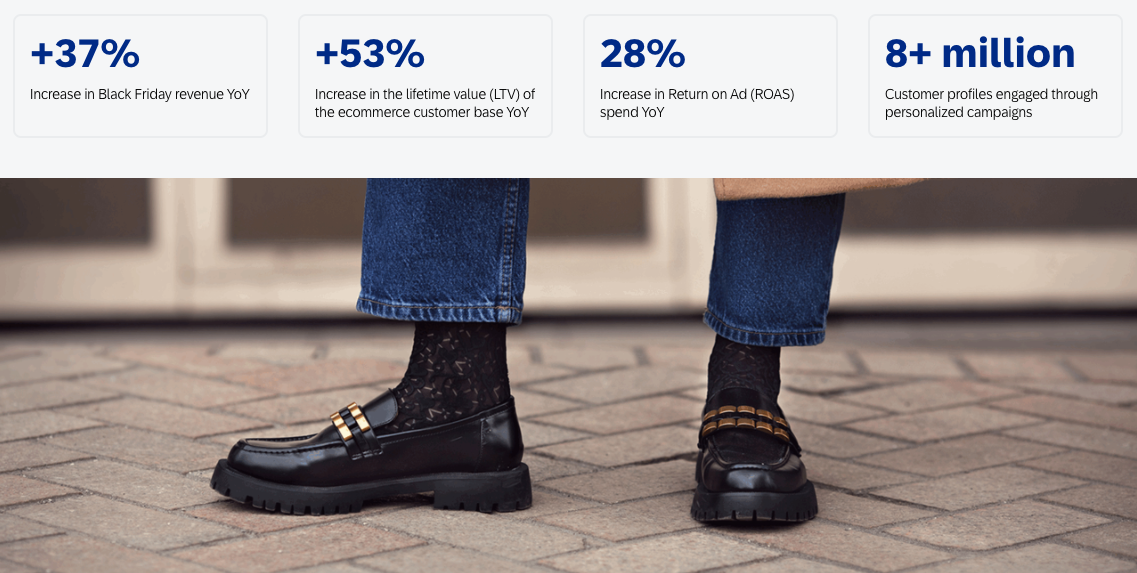
- 37% increase in Black Friday revenue YoY,
- 53% increase in customer lifetime value, and
- 28% increase in return on ad spend.
- More than 8 million customer profiles engaged through personalized campaigns
PatPat leverages lifecycle-based, automated journeys
Challenge: Global children’s wear brand PatPat was struggling with fragmented customer data, manual campaign execution, and low email deliverability (~60%) across 30 regions.
Solution: After unifying their data with SAP Engagement Cloud, the team built 183 automated programs spanning the full customer lifecycle, including cart abandonment, browse abandonment, welcome journeys, coupon reminders, and price drop notifications. Each automation was powered by a combination of customer, sales, and behavioral data, with A/B testing used to refine subject lines, creative, and send times.
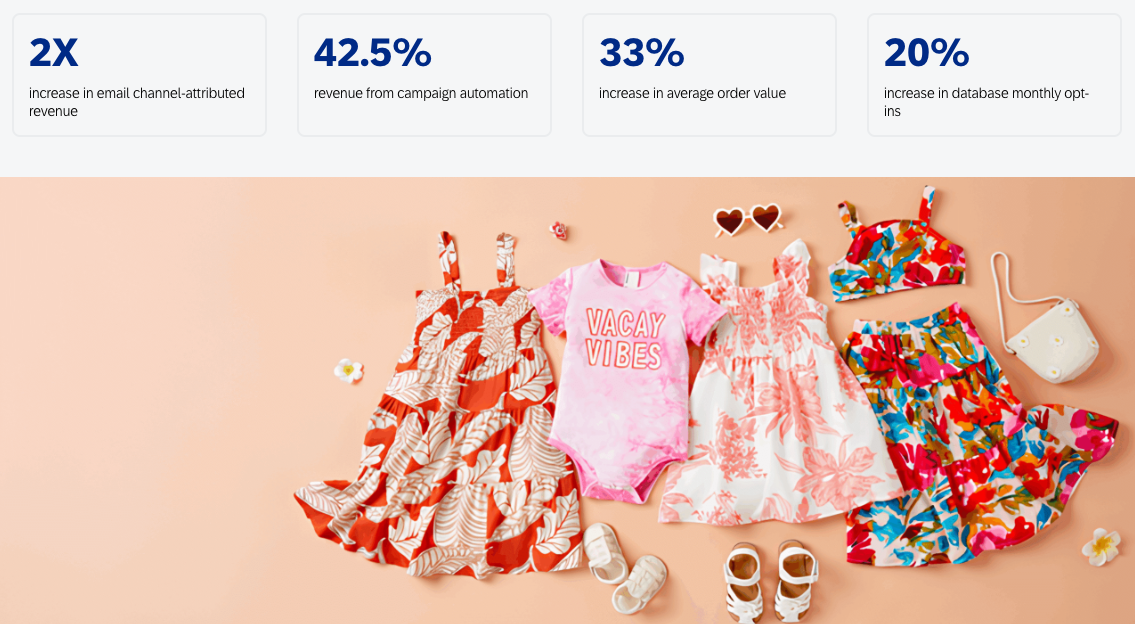
Results: Email channel-attributed revenue doubled, with 42.5% of total revenue coming from automated campaigns. Average order value increased by 33%, and email deliverability improved to over 99%. Read the full story →
Brisbane Airport creates data-driven customer personas
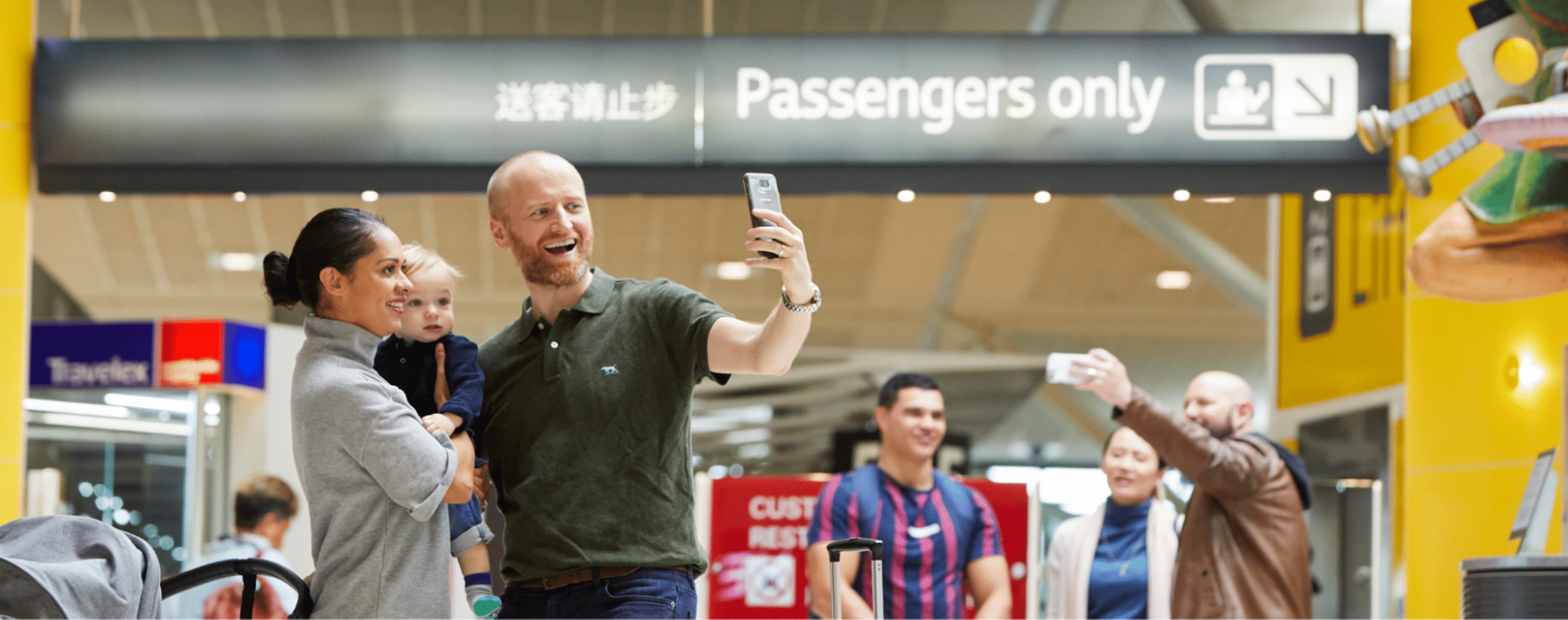
Challenge: With a diverse customer base spanning business travelers, leisure travelers, and fly-in-fly-out (FIFO) workers, Brisbane Airport struggled with siloed data and an inability to tailor communications to distinct traveler needs.
Solution: Using SAP Engagement Cloud, the airport unified parking booking data, travel behavior, and transaction records to build detailed personas enriched with behavioral data. Business travelers received communications emphasizing convenience and time-saving options. Leisure travelers were targeted with family-oriented promotions. FIFO workers got reminders aligned with their work rotation schedules.
Results: 11.95% increase in active customers and 28.5% YoY growth in attributed revenue. Cross-selling campaigns linking parking bookings with duty-free offers created new revenue streams. Read the full story →
Petco Mexico connects online and offline with omnichannel personalization
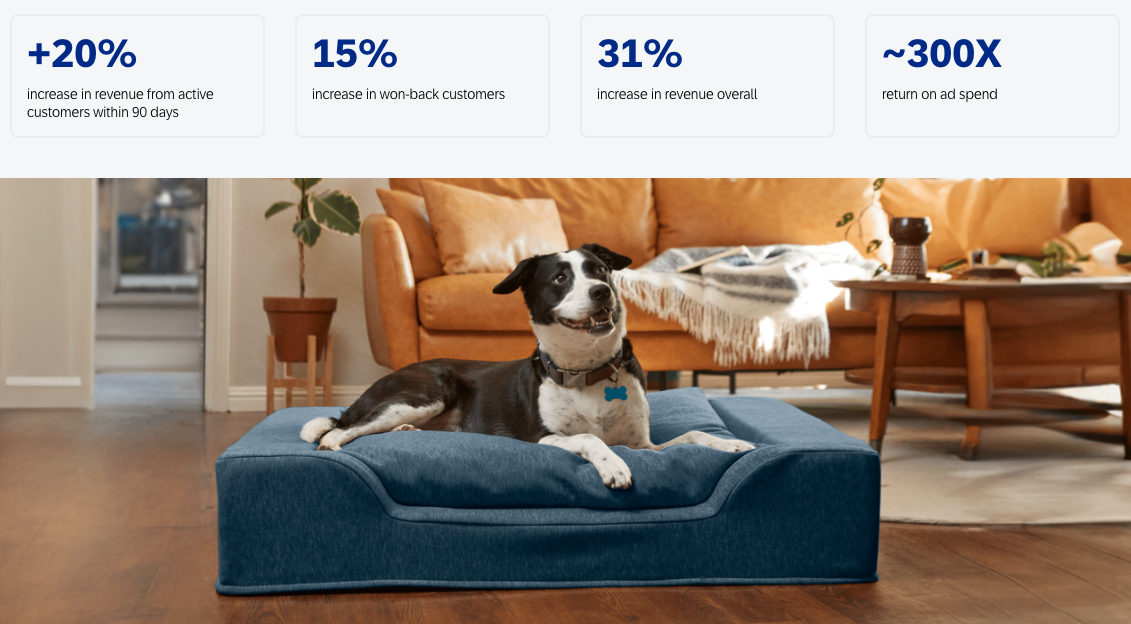
Challenge: Pet care retailer Petco Mexico needed to connect its physical stores, e-commerce site, and mobile app into a seamless customer experience. Their loyalty program accounted for 92% of purchases but wasn’t being leveraged to personalize engagement.
Solution: After partnering with SAP Engagement Cloud, Petco connected online and offline data and used progressive profiling across email, web, digital ads, and mobile app to build a richer understanding of each customer. The team shifted from underperforming batch emails to personalized, cross-channel programs tailored to individual touchpoints throughout the customer lifecycle.
Results: 20% increase in revenue from active customers within 90 days, 31% increase in overall revenue, 15% increase in won-back customers, and ~300x return on ad spend. Read the full story →
How to Build a Personalized Marketing Strategy
Delivering personalized customer experiences at scale takes an infrastructure of connected data, intelligent segmentation, and coordinated messaging that makes every interaction feel relevant. Here’s how to approach it:
Unify your customer data
Personalization starts with a complete picture of each customer. That means connecting all of these into a single, unified customer view:
- Behavioral data (what they browse, click, and buy)
- Transactional data (purchase history, order values, frequency)
- Engagement data (channel preferences, email responses, app activity)
Without this foundation, every personalization effort is working from incomplete information. Customer data solutions help you consolidate your data into one actionable view, making it crucial for delivering 1:1 personalization at scale.
54% of enterprises can't access and use real-time data, and 60% suffer from dark data, meaning data that's collected but never used.
Segment by behavior and lifecycle, not just demographics
Demographics tell you who someone is. Behavioral data tells you what they’re doing and what they’re likely to do next. The most effective personalization strategies use AI-powered segmentation to group customers by lifecycle stage, predicted spend, channel preference, and engagement level. This allows you to tailor not just what you say, but when and where you say it.
Personalize journeys, not just messages
A personalized subject line is a starting point, not a strategy. True personalization means orchestrating the entire customer journey so that each interaction builds on the last. That includes welcome sequences tailored to acquisition source, browse abandonment flows that adapt based on product affinity, replenishment reminders timed to purchase cycles, and win-back campaigns triggered by declining engagement. Each journey should reflect where the customer is in their customer lifecycle and respond to their behavior in real time.
Use AI to scale what works
AI is what makes personalization viable at scale. Predictive models can identify which customers are likely to churn, which are ready to convert, and which products each individual is most likely to respond to. AI-powered marketing automates the decision-making behind content selection, send-time optimization, and product recommendations, so you can deliver 1:1 experiences to millions of customers without manual effort.
77% of businesses plan to invest in AI-powered customer engagement in 2026.
Deliver across channels, not just email
Email remains the top channel customers find useful (69%), but it’s not the only one. SMS, mobile push, web push, in-app messaging, and even in-store interactions are all part of how customers engage with brands today. A strong personalized marketing strategy orchestrates messages across all of these touchpoints so the experience feels connected rather than repetitive. For a comprehensive look at how to do this, see our omnichannel marketing guide.
Close the Personalization Gap
Personalized marketing has moved beyond surface-level customization. The bar now is understanding each customer fully, connecting their data across every touchpoint, and using that understanding to deliver experiences that feel relevant. Brands that close the gap see the results in deeper engagement, stronger loyalty, and measurable revenue growth.
The challenge for most organizations lies in execution. Bridging the gap between customer expectations and the experiences you deliver takes connected data, intelligent automation, and the right technology to bring it all together.
SAP Engagement Cloud gives marketers the tools to unify customer data, personalize every interaction with AI, and orchestrate journeys across every channel, so you can close the personalization gap and earn lasting customer loyalty.
Personalized Marketing FAQs
There are some common questions that come up around personalized marketing. We’ve outlined some of the ones we hear most often below:
Why is personalized marketing important?
With technological improvements, customer expectations are evolving. When customers provide their personal information, they want to be treated as an individual with unique traits. As marketers, we need to provide the information that customers want, in the right place and at the right time.
How does personalized marketing benefit businesses?
Personalized marketing helps businesses by improving customer engagement, increasing conversion rates, and fostering loyalty. It enables brands to deliver relevant content and experiences, leading to higher customer satisfaction and retention. Additionally, personalized strategies can boost sales, enhance marketing ROI, and differentiate businesses in competitive markets.
How do I measure personalized marketing efforts?
Similar to any marketing campaign, there are many ways to measure the effectiveness of personalized marketing campaigns. Using intuitive reporting dashboards is especially important when it comes to understanding and targeting your customers. With advanced reporting and insights, you have the ability to measure the performance of your strategy and the direct impact on business.
How does personalized marketing impact the customer experience?
Great question! The key here is that personalized campaigns turn browsing customers into buying customers. Customers are continuously seeking great buying experiences, and delivering individualized content to recipients strengthens the relationship between businesses and their consumers.
What’s the relationship between personalized marketing and omnichannel marketing?
Basically, personalized marketing strategies support the broader objectives of an omnichannel approach. By understanding the preferred channel for each contact, marketers can automatically follow up across channels as part of a coordinated omnichannel marketing strategy.
What strategies can be used to implement personalized marketing?
Strategies to implement personalized marketing can include data analysis to understand customers’ preferences and behaviors, content personalization to provide relevant offers, and utilizing technology like artificial intelligence (AI) and machine learning for predictive personalization. Other methods may include email marketing, social media customization, and one-on-one personal interactions with clients.
Are there specific industries or types of businesses that benefit most from personalized marketing?
Industries such as retail, e-commerce, hospitality, and any business that relies heavily on customer interaction and engagement tend to benefit the most from personalized marketing as it allows them to directly target and fulfill individual customer’s preferences and needs.
Embrace Personalization for Lasting Customer Connections!
Consumers demand more personalization throughout the buying journey now more than ever. If your personalized marketing strategy isn’t properly tailored to each and every individual, they won’t feel engaged and therefore are less likely to purchase from you. Having a successful personalized marketing strategy in place can be the greatest asset your business has to offer.